
The moon of Hina
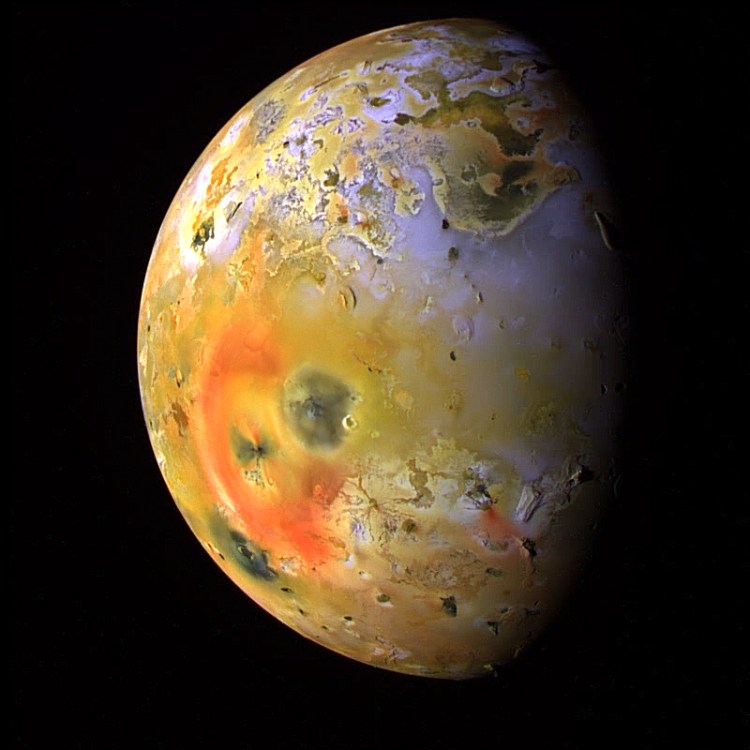
Hina – A Moon of Fire and Ice
Hina is a volcanic, ocean-covered moon orbiting the planet Thalassa in an elliptical, tidal-locked orbit that drives powerful geologic and oceanic forces. Its global ocean, locked beneath a shifting skin of ice and fissures, hides a vibrant and mysterious alien biosphere. The ocean is deep and dynamic, with tides driven not just by Thalassa’s gravity but also by the moon’s eccentric orbit, which results in violent tidal surges, periodic exposure of deep reefs, and cataclysmic internal pressure shifts.
While much of Hina’s surface is cloaked in ice, volcanic hot zones erupt through the crust, producing boiling vents, molten fissures, and explosive underwater ridges. These contrasting forces—glacial stillness and volcanic fire—define the moon’s unique ecology and spiritual symbolism. It’s a place where fractal microbial life, glowing bioluminescent reefs, and sentient beings like the Nesoi thrive in environments shaped by immense tidal flux and deep-time cycles
Orbital Dynamics & Tidal Cycles–
Hina’s elliptical orbit around Thalassa results in a dramatic cycle of tidal pulses, sometimes exposing areas of the seafloor normally hidden beneath hundreds of feet of water. These tides are not daily but span long orbital arcs, bringing about rare alignments during which ancient caves, submerged habitats, or ritual sites become accessible. The cycle echoes lunar and seasonal rhythms on Earth, but amplified—Hina’s orbit creates a grand breathing of the sea, a pulsing, living heartbeat of water and stone.
This rhythm shapes the behavior of both the Nesoi and the human researchers, forcing them to time explorations precisely and respect the cycles that govern life on Hina. The moon’s periods of calm and chaos create natural metaphors for memory, emotion, and ancestral wisdom—sometimes serene, sometimes erupting.


Mythology
The moon Hina in Fires of Hina draws deep symbolic resonance from the Hawaiian moon goddess Hina, a powerful figure in Polynesian mythology associated with creation, transformation, and feminine wisdom. Like the mythic Hina, who is often portrayed as a weaver, healer, or voyager, the moon of Thalassa is a place of hidden knowledge, cyclical renewal, and sacred rhythms. In both traditions, Hina is linked to the tides and the moon’s pull on the ocean, embodying the quiet strength that moves beneath the surface. The bioluminescent caves, ancestral glyphs, and matriarchal energy that shape the story’s emotional and ecological core reflect the goddess’s role as a guardian of life’s deeper mysteries. Just as the Hawaiian Hina ascended to the moon to escape earthly violence and fulfill her spiritual purpose, the moon Hina becomes a sanctuary of memory and awakening in a universe torn by conflict.

Modern Parallels & Symbolism
Hina serves as a potent allegory for Earth itself—a world of fragile balance between ecological extremes. Its glacial ice and volcanic activity mirror Earth’s own poles and tectonic fault lines, while the struggle between extractive technology and sacred ecosystems echoes modern environmental crises. The Nesoi, who embody the wisdom of the sea and its suffering, are reminders of the deep, often-unheard voices of nature and indigenous cultures.
The tidal cycles of Hina also represent emotional and spiritual flux: grief and healing, loss and renewal, memory and awakening. Lani’s journey across Hina’s seascapes reflects humanity’s broader journey—between destruction and reverence, conquest and communion.
 Fires of Hina